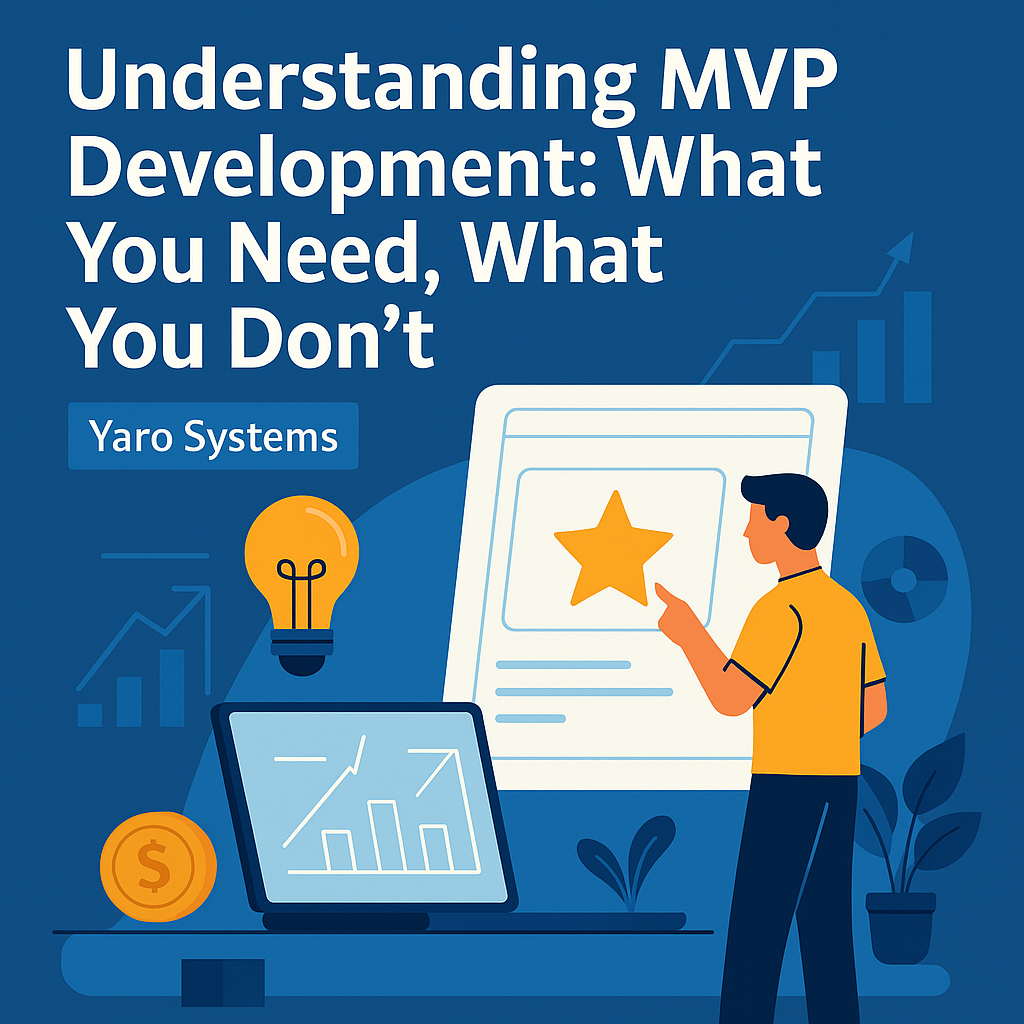
Learn what an MVP really is, what features your startup MVP should include, and how an MVP development company helps you build fast without wasting budget. When founders begin planning a new digital product, one of the first questions they face is how much to build before releasing something to real users. This is where the MVP—Minimum Viable Product—comes in. A well-designed MVP helps startups test assumptions, validate demand, and gather real feedback without spending time or money on unnecessary features. But many early-stage founders misunderstand what an MVP should look like, and end up building too much, too little, or simply the wrong things.
An MVP is not a prototype, and it is not a fully finished product either. It is a functional version of your product that includes only the core features needed to solve your users’ primary problem. Anything that does not contribute to validating your main idea should be left out. This is the balance every startup must strike: build enough to be useful, but avoid everything that slows down your path to market.
What You Actually Need When Building an MVP
The essential purpose of an MVP is to prove whether your idea has real demand. To do that, you need a clear definition of your primary user problem and a focused solution. Your MVP should include the minimum set of features required to deliver that solution. Startups often discover that their core value can be delivered with far fewer features than they originally imagined.
You also need a smooth, intuitive user experience. Poor usability can distort your validation results, because users may reject your product not due to the idea, but due to confusing design. Even in an MVP, the user journey must be simple and frustration-free.
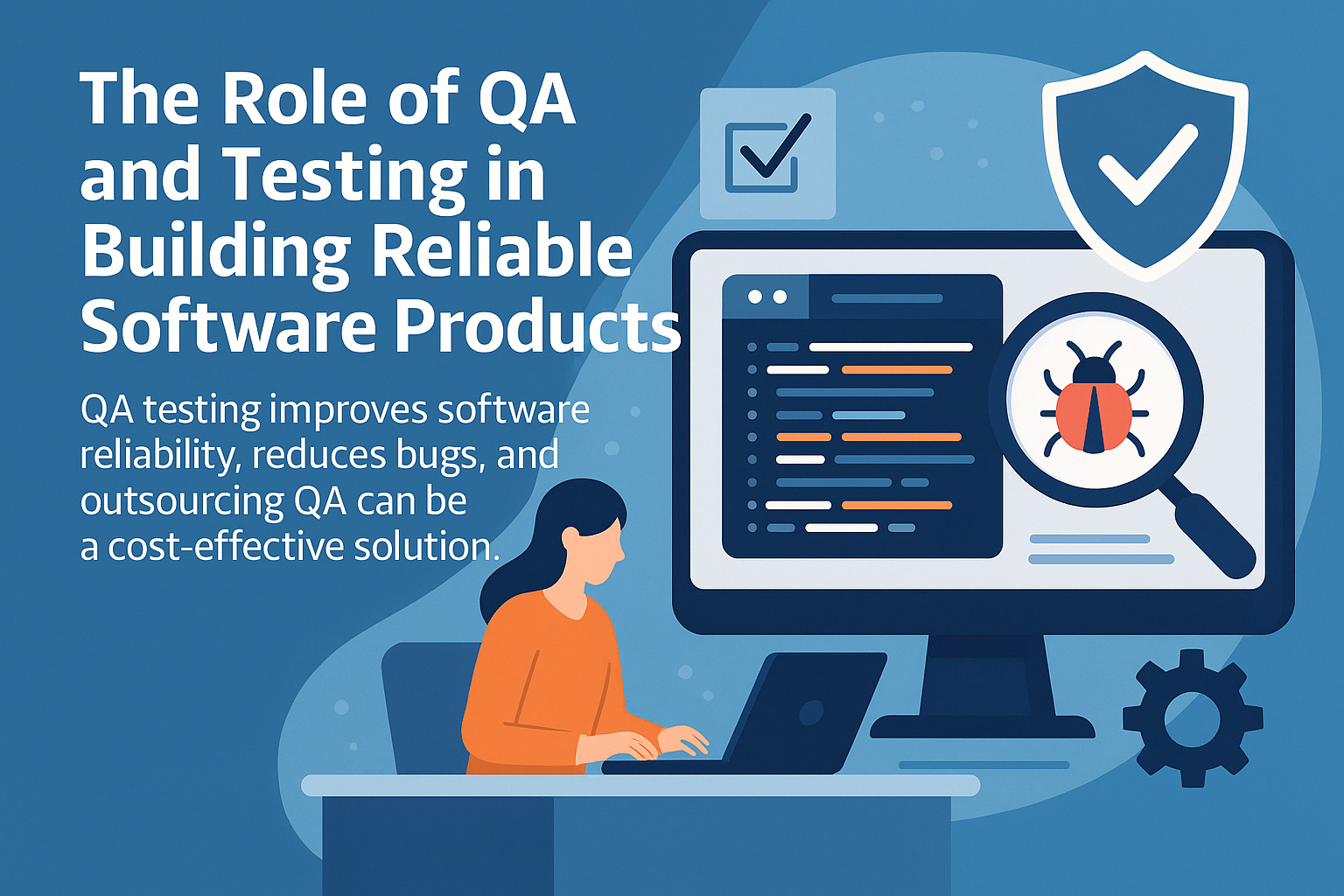
Finally, your MVP needs basic stability. Users will not tolerate a product that constantly breaks, fails to load, or loses data. While you don’t need enterprise-level infrastructure, you do need enough reliability to deliver a consistent experience. This is where an experienced MVP development company becomes valuable—teams that focus on MVPs know how to build fast while maintaining essential quality.
What You Don’t Need in an MVP
Founders often struggle with deciding what to exclude, even though cutting non-essential features is the core philosophy of MVP development. You don’t need every idea from your long-term roadmap, and you don’t need advanced automation, analytics dashboards, custom animations, or scalable architecture built for millions of users.
You also don’t need multiple user roles, dozens of integrations, or a polished design system. These elements belong in later releases, after you have validated your concept and learned how real users interact with your product. Overbuilding not only wastes resources, but delays your ability to test your assumptions, which is the most valuable part of early-stage development.
Many startups fail because they invest heavily into features users never ask for. An MVP is meant to prevent that mistake, not create it.
Why Startups Benefit From Working With an MVP Development Company
Building an MVP requires speed, focus, and technical judgment. A dedicated MVP development company brings structured processes to help founders avoid overbuilding, while still delivering a usable and reliable product. Experienced teams know how to define the core feature set, plan rapid development cycles, and test assumptions through quick iterations.
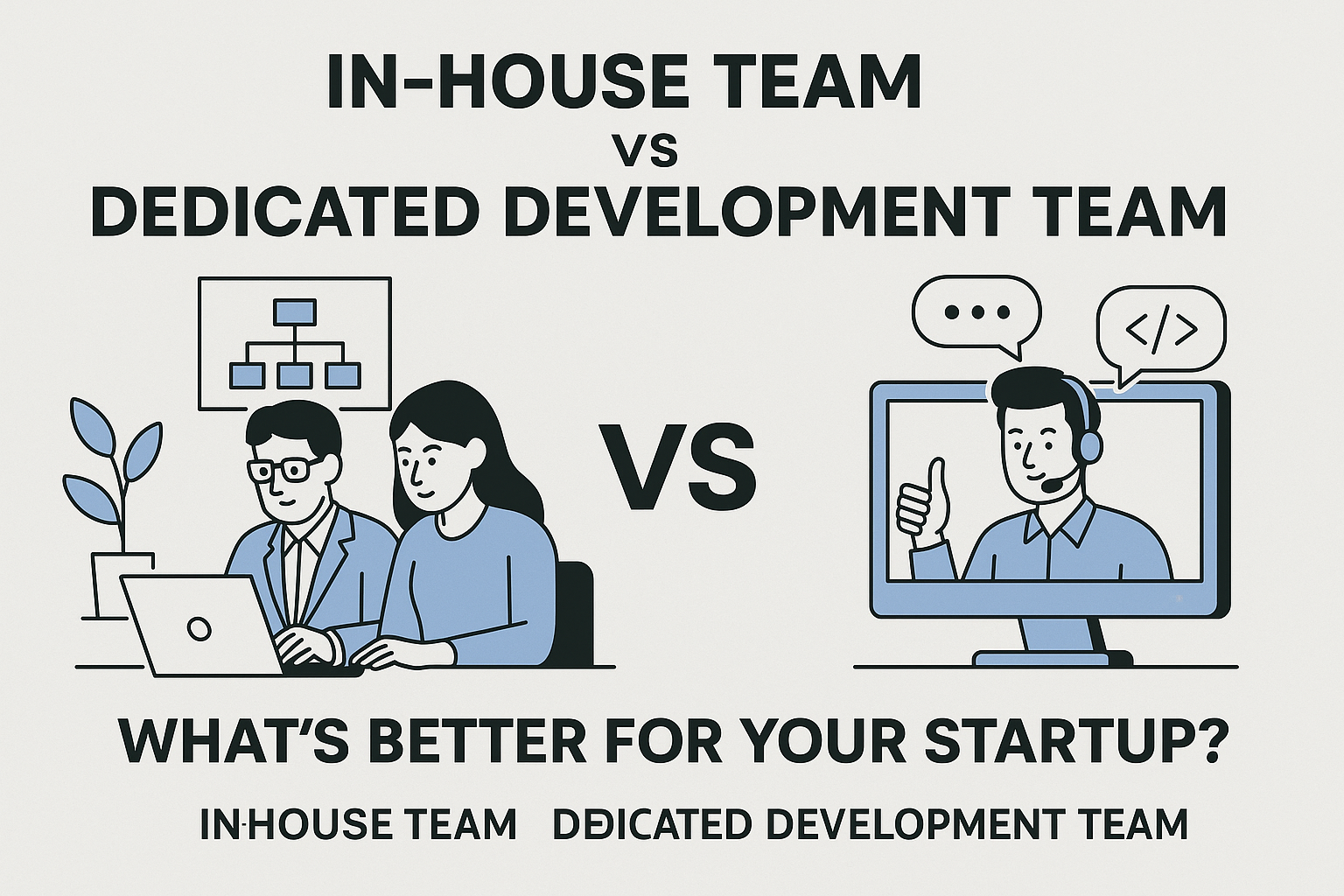
Startups also save time by relying on developers, designers, and product specialists who already understand the MVP mindset. Instead of hiring multiple roles individually, founders can work with a single team that handles strategy, UX, development, QA, and launch. This keeps costs predictable and accelerates time-to-market.
Most importantly, outsourced MVP teams help founders avoid the emotional temptation to “build everything at once.” Their job is to keep the product lean, focused, and aligned with the goal of validation rather than perfection.
Launch Fast, Learn Fast, and Grow With Real Data
The real power of an MVP is learning. Once your startup MVP is in users’ hands, you’ll gather real feedback about what works, what needs improvement, and what your users truly value. Instead of guessing, you make product decisions based on real data. This is how successful products evolve.
Your MVP is not the final product. It is the beginning of a process—experiment, measure, refine. The faster you begin this cycle, the sooner you find product-market fit.
Final Thoughts
Every founder dreams of launching the perfect product, but perfection should never be the goal at the beginning. The goal is validation. A thoughtful MVP helps you launch faster, reduce risk, and discover what your users actually want. By focusing on essential features and eliminating everything non-critical, your startup can move confidently toward building a product that truly fits the market.
If you’re ready to build your MVP with a team that understands speed, clarity, and quality, Yaro Systems can help you turn your idea into a real, testable product—fast.